The Unplayed Note: How 'Ma' Is Teaching American Musicians the Power of Stopping
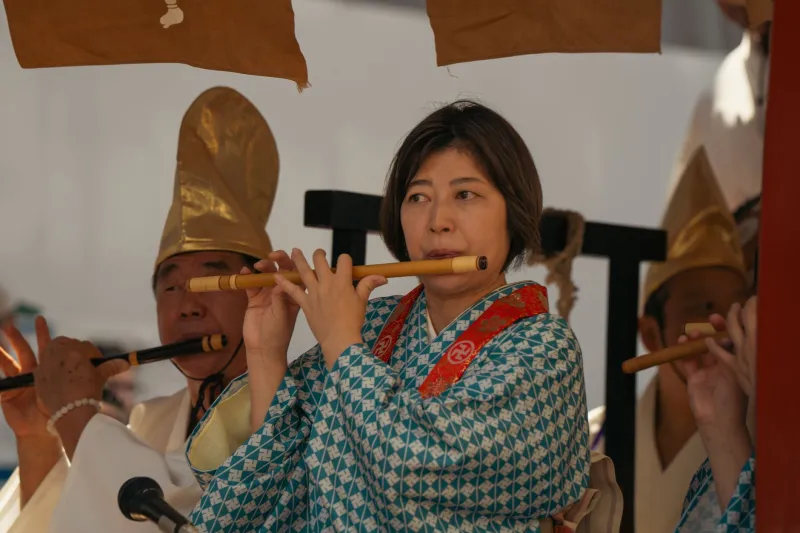
Stand in the audience at a gagaku performance and something strange happens. The imperial court music of Japan, over a thousand years old, does not rush toward you. It hovers. Between the shō's sustained chords and the slow unfolding of the ryūteki flute, there are gaps — deliberate, weighted silences that a Western ear initially mistakes for nothing at all.
They are not nothing. They are the point.
What 'Ma' Actually Means
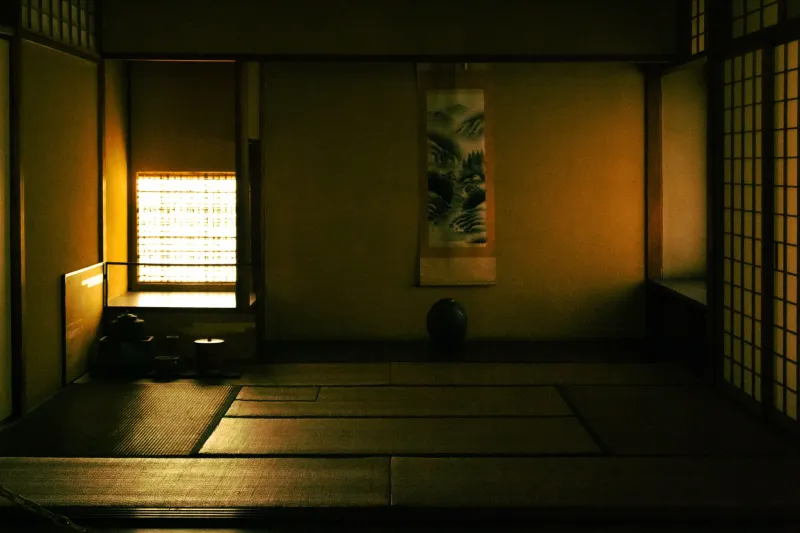
The Japanese word ma (間) is often glossed as "pause" or "interval," but the translation flattens it. Ma is the space between things — the pause between notes, the emptiness of a room, the beat of stillness before a tea ceremony begins. Crucially, ma is not dead air. It is an active, expressive component of the composition, as intentional as any sound.
Composer Tōru Takemitsu, who did more than perhaps anyone to translate this sensibility for Western concert halls, described Japanese music as beginning in silence and returning to it — a single brushstroke on an open scroll rather than a wall covered edge to edge in paint. Western classical tradition, by contrast, tends to treat silence as tension to be resolved: the held breath before the cadenza, the dramatic rest before the finale.
In the Japanese framing, the silence is not waiting for something. The silence is something.
From the Court to the Bedroom Studio
What makes ma newly urgent for American audiences is how thoroughly it has infiltrated the music they already listen to. Consider the lo-fi hip-hop beats that soundtrack millions of study sessions: the hiss of vinyl, the gaps where a snare simply never arrives, the space left deliberately dusty and unfinished. Or the meteoric rise of artists like Steve Lacy and Tyler, the Creator, whose arrangements thrive on what they refuse to include — a verse carried by two instruments, a hook that ends two bars before the listener wants it to.
Producers raised on J Dilla's behind-the-beat swing were, whether they knew it or not, studying ma. Dilla's genius lay in the space around the note — the drum hit that lands late, the sample chopped so that silence becomes percussion. Bon Iver's spare arrangements, the ambient patience of Sufjan Stevens, the restraint of Frank Ocean's Blonde — all of these trace a lineage back to the same insight: that absence, arranged with intention, communicates more than density ever can.
Why Maximalism Lost Its Grip
American popular music has long rewarded more. More layers, more drops, more features, louder masters engineered to win the streaming loudness war. The results are often thrilling — but listeners have grown tired. The commercial resurgence of stripped-down singer-songwriter records, the endurance of ambient playlists, the cultural cachet of "quiet luxury" applied to sound: these are symptoms of an audience hungry for room to breathe.
Ma offers a discipline, not just an aesthetic. It asks the musician a question that maximalism never poses: what happens if you remove this? A producer who adopts that question stops layering out of habit and starts making choices. A songwriter stops fearing the gap between verses and lets the listener's own attention fill it.
Lessons for the Western Maker
For American musicians and producers, the practice of ma translates into a few concrete habits:
- End earlier than feels safe. The unresolved ending — the track that fades before its climax — leaves the listener holding something.
- Treat silence as an instrument. In the mix, carve out passages where nothing sounds. Automate the absence.
- Let imperfection stand. The creak of a chair, the breath before a vocal — ma values the human texture that over-editing erases.
- Trust the listener. A gap is an invitation. American audiences, like all audiences, will step into it.
There is a humility in this that runs deeper than technique. To leave space is to admit that the artist is not the only presence in the room — that the listener, and the silence itself, have work to do. In an era when every second of audio competes for retention metrics, choosing to stop is close to a radical act.
The gagaku ensemble does not apologize for its stillness. Neither should the next generation of American makers. The note you do not play may be the one they remember.