Koichi Yairi A tribute to Japanese artistry and craft

Koichi Yairi

A tribute to Japanese artistry and craft

Latest Articles

One Square, No Waste: The Boston Engineer Who Learned to Build by Unlearning
Craft & Philosophy

One Square, No Waste: The Boston Engineer Who Learned to Build by Unlearning

Structural engineer Maya Ellison spent a decade designing bridges that required more material, more machinery, and more compromise than she cared to admit. A pilgrimage to Tokyo's paper-folding masters taught her that the strongest structures begin with the strictest constraints.

Before the Gift, the Knot: What Mizuhiki Is Teaching American Paper Artists About Meaning
Craft & Philosophy

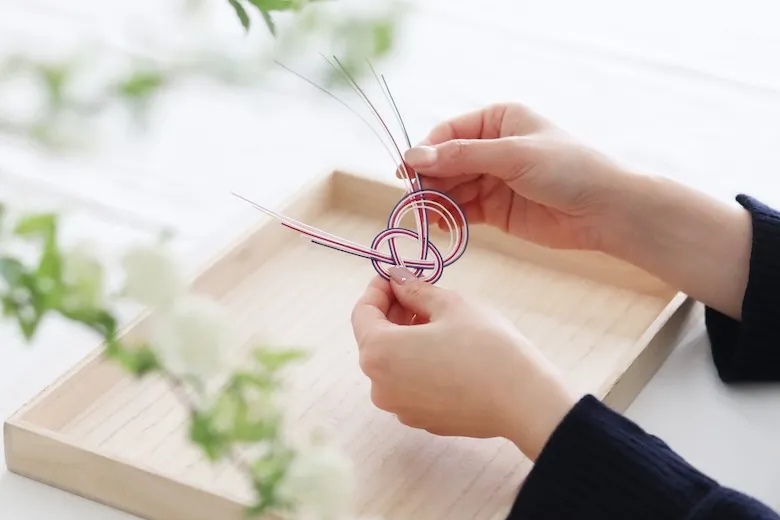
Before the Gift, the Knot: What Mizuhiki Is Teaching American Paper Artists About Meaning

In Japan, a knotted cord can apologize, congratulate, or mourn — all before the box is opened. A growing circle of American stationers and wedding designers is learning that the wrapping itself can carry the message.

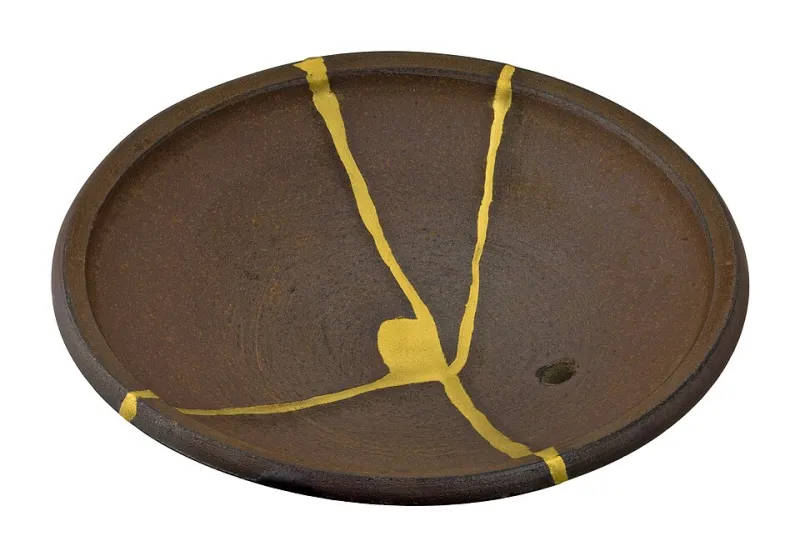
From an Ohio Kitchen Shelf to a Kyoto Bench: The Long Way Home for One Broken Bowl
Craft & Philosophy

From an Ohio Kitchen Shelf to a Kyoto Bench: The Long Way Home for One Broken Bowl

When a cherished family bowl cracked, one Ohioan chose a nine-month repair journey across the Pacific over a quick domestic fix. What she received back was not merely a restored object, but a lesson in patience, surrender, and the ethics of mending.

One Cushion, One Fan: What Tokyo's Storytellers Taught a Chicago Comic About Silence
Craft & Philosophy

One Cushion, One Fan: What Tokyo's Storytellers Taught a Chicago Comic About Silence

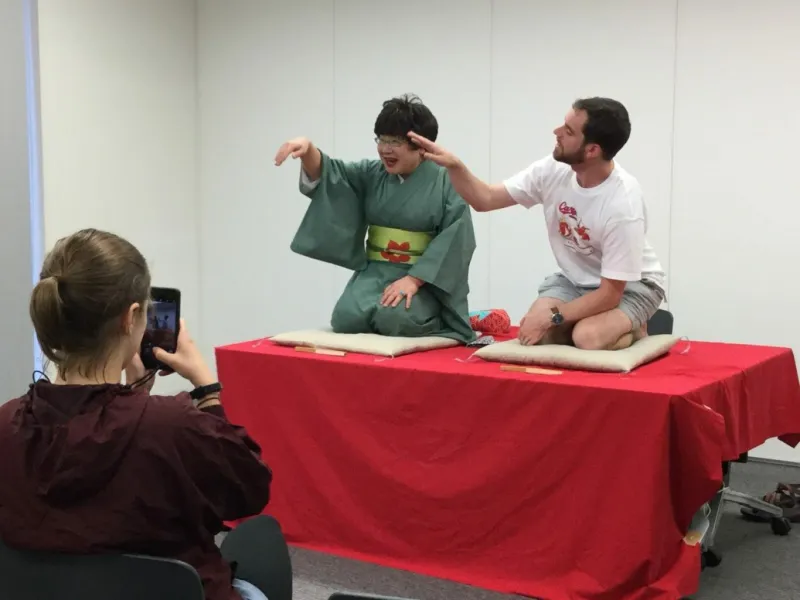
Rakugo, Japan's four-century-old art of solo seated storytelling, is quietly drawing American comedians to Tokyo study halls. For one Chicago stand-up, the lesson was not a new joke but a new relationship with the pause.

A Vat That Breathes: One Brooklyn Dye House and the Indigo That Refuses to Behave
Craft & Philosophy

A Vat That Breathes: One Brooklyn Dye House and the Indigo That Refuses to Behave

Imported sukumo from Tokushima has found its way into American studios, but the fermented indigo vat does not travel politely. One Brooklyn dyer's winter with a living vat reveals why the most coveted blue in the world cannot be managed — only attended to.

Beyond the Zen Preset: What American Producers Keep Missing About the Koto
Craft & Philosophy

Beyond the Zen Preset: What American Producers Keep Missing About the Koto

The koto was never meant to be sonic wallpaper. Japanese session players and scholars explain what Western ambient producers flatten when they sample Japan's instruments — and how to listen before you loop.

Buying What You Cannot Use: Inside America's Quiet Obsession With Urushi
Craft & Philosophy

Buying What You Cannot Use: Inside America's Quiet Obsession With Urushi

A growing circle of American collectors is paying extraordinary sums for lacquerware meant to be handled daily — and then locking it away. What does it mean to own an heirloom built for centuries in a culture built for disposal?

Sixty Minutes of Silence: Inside a Tokyo Tuning Session That Rewired an American's Ears
Craft & Philosophy

Sixty Minutes of Silence: Inside a Tokyo Tuning Session That Rewired an American's Ears

Concert technician Daniel Reyes flies from Chicago to Tokyo twice a year, not to fix pianos but to learn how to listen to them. This is one hour in a small Hamamatsu-trained master's studio, minute by minute — and what it reveals about sound, patience, and the technician's true role.

The Temple Gave Him the Mix: An American Producer's Year of Recording Silence in Kyoto
Craft & Philosophy

The Temple Gave Him the Mix: An American Producer's Year of Recording Silence in Kyoto

When Los Angeles producer Daniel Reyes booked a week in a working Kyoto temple to track an ambient record, he expected quiet. What he got instead was a masterclass in Japanese ideas about sound — and a studio philosophy he now refuses to leave behind.

One Hertz Apart: The Quiet Diplomacy Behind America's Borrowed Pitch
Craft & Philosophy

One Hertz Apart: The Quiet Diplomacy Behind America's Borrowed Pitch

Somewhere between 440 and 442 hertz lies a story few American musicians know they are part of. This is the account of how a Japanese standard of pitch crossed the Pacific and settled, almost unnoticed, into the concert halls of the United States.

Struck in Osaka, Heard in Hollywood: The Small Metal Bar That Tuned a Century of American Sound
Craft & Philosophy

Struck in Osaka, Heard in Hollywood: The Small Metal Bar That Tuned a Century of American Sound

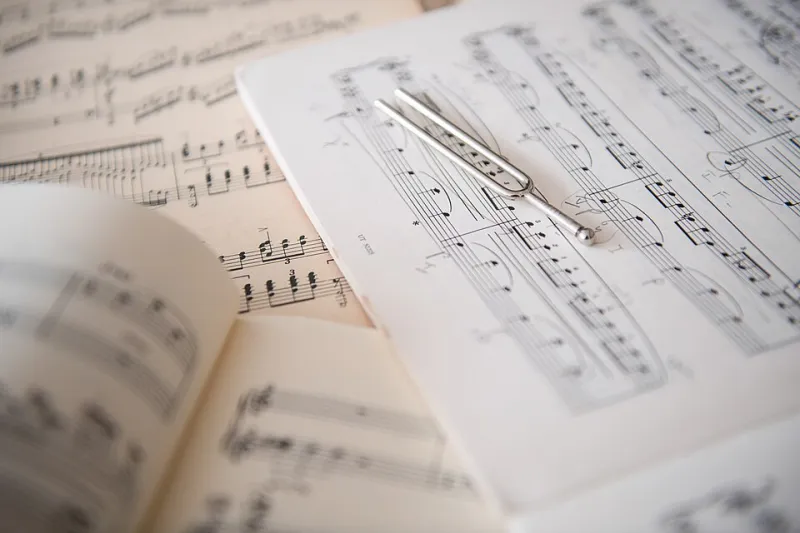
Before digital tuners and software calibration, a single hand-forged tuning fork from an Osaka workshop quietly set the pitch inside some of America's most storied recording studios. This is the story of how a two-ounce piece of steel became an unlikely bridge between Japanese metalwork and the American ear.

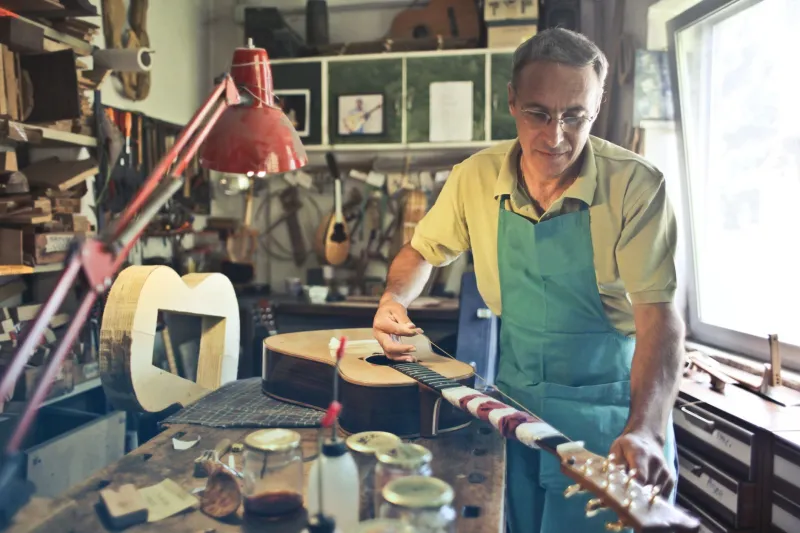
Tapping the Timber: Inside the Quiet Pilgrimage of American Instrument Makers to Japan's Forests
Craft & Philosophy

Tapping the Timber: Inside the Quiet Pilgrimage of American Instrument Makers to Japan's Forests

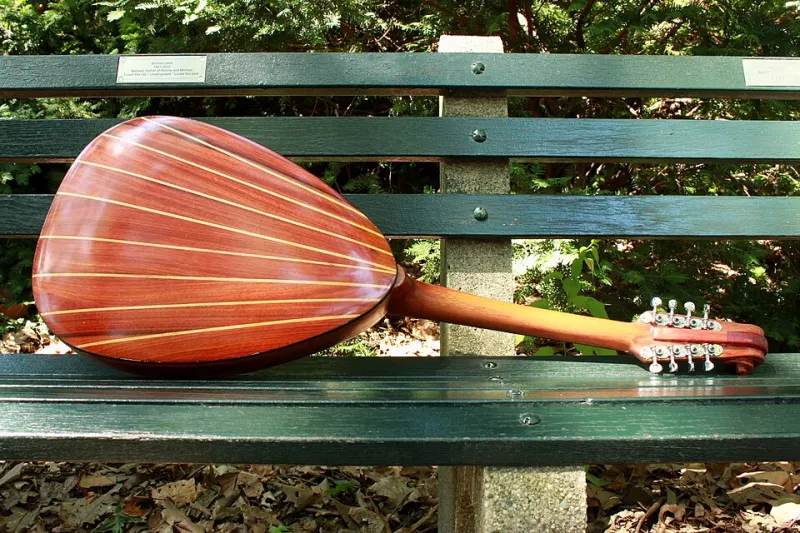
A growing number of American luthiers are boarding planes to Hokkaido and the Kiso Valley, not for tools or techniques, but to listen — literally — to the wood they will one day carve into instruments. What this slow, sensory ritual reveals about craftsmanship in an era of standardized lumber.

A Face Carved to Vanish: The Noh Mask That Ended Up Above a Manhattan Fireplace
Craft & Philosophy

A Face Carved to Vanish: The Noh Mask That Ended Up Above a Manhattan Fireplace

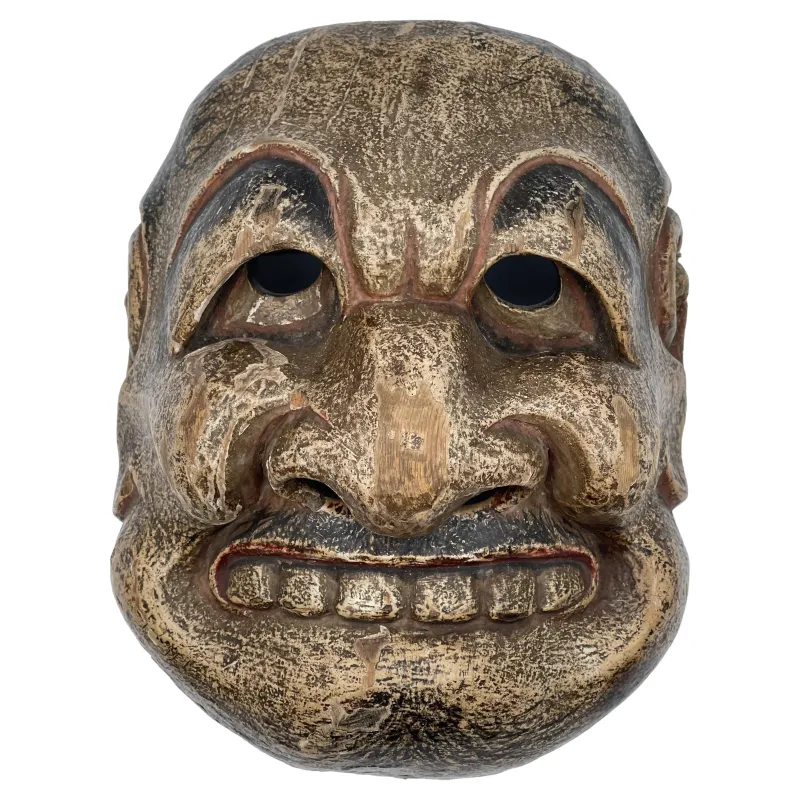
Antique Noh masks were carved for candlelit stages, meant to transform and then disappear until the next performance. Now American collectors are paying six figures to hang them in living rooms. We follow one ko-omote mask from a Kyoto theater to a Fifth Avenue apartment and ask what is gained — and lost — when a sacred face becomes décor.

Silk Built for an Hour: The Afterlife of a Kyoto Stage Kimono in an American Opera House
Craft & Philosophy

Silk Built for an Hour: The Afterlife of a Kyoto Stage Kimono in an American Opera House

A single retired theatrical kimono travels from a Kyoto warehouse to a regional American opera house, carrying with it decades of stage light, sweat, and silence. Its new caretakers must decide what it means to preserve a garment never meant to survive.

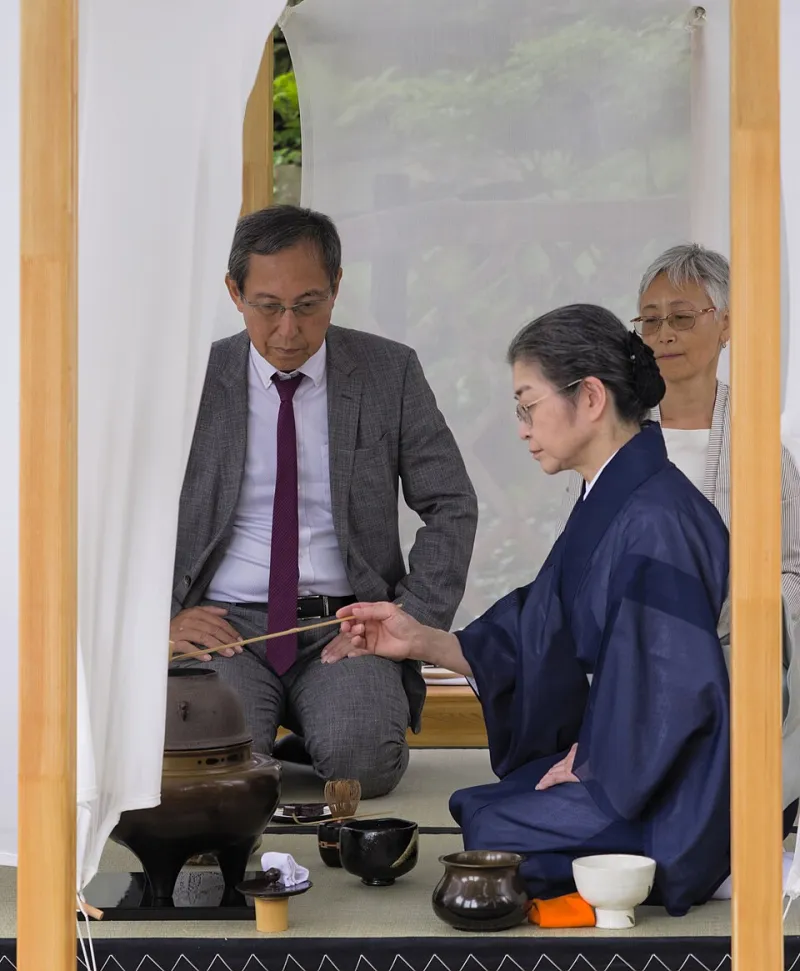
Steeped in Disagreement: A Brooklyn Studio's Year of the Two-Hour Tea Gathering
Craft & Philosophy

Steeped in Disagreement: A Brooklyn Studio's Year of the Two-Hour Tea Gathering

A design studio in Gowanus replaced its morning stand-up with a traditional Japanese tea gathering — and nearly tore itself apart in the process. What a year of slow meetings revealed about whether ritual can be borrowed, or only earned.

When the Bow Falls Silent: The Quiet Journey of a Master's Instrument After Death
Craft & Philosophy

When the Bow Falls Silent: The Quiet Journey of a Master's Instrument After Death

In Japan, an instrument outlives its player and enters a period of careful mourning — rested, honored, sometimes never played again. A growing circle of American luthiers and dealers is now learning what it means to receive one of these instruments, and whether a second owner can inherit a soul.

Dimming the Gallery: Six Museums Rethink What a Perfect Display Looks Like
Artist's Toolkit

Dimming the Gallery: Six Museums Rethink What a Perfect Display Looks Like

A quiet curatorial experiment is unfolding in American museums: asymmetric groupings, shadowed corners, and objects left deliberately incomplete. But can wabi-sabi survive the institution that borrowed it?

Before the Hands Forget: American Apprentices Racing Time in Japan's Oldest Workshops
Craft & Philosophy

Before the Hands Forget: American Apprentices Racing Time in Japan's Oldest Workshops

Across Japan, master craftspeople in their eighties are opening their studios to a wave of American students determined to learn what cannot be written down. This is a portrait of transmission under pressure—of language gaps, quiet hierarchies, and the urgent arithmetic of aging hands.

Kodawari, Misused: A Field Guide to the Japanese Words American Studios Can't Stop Borrowing
Artist's Toolkit

Kodawari, Misused: A Field Guide to the Japanese Words American Studios Can't Stop Borrowing

Kintsugi on a coffee mug. Shibui on a branding deck. Japanese aesthetic vocabulary has flooded American creative culture — but what do these words actually mean, and when does borrowing become distortion? Japanese-born designers working in the US sort philosophy from buzzword.

Interlocked, Not Glued: The Quiet Revolution in American Instrument Workshops
Craft & Philosophy

Interlocked, Not Glued: The Quiet Revolution in American Instrument Workshops

A growing number of American luthiers are abandoning screws and adhesives in favor of traditional Japanese joinery — cuts so precise the wood holds itself together. Two workshops that trained under master carpenters in Japan explain why the strongest bond is the one no glue ever touches.